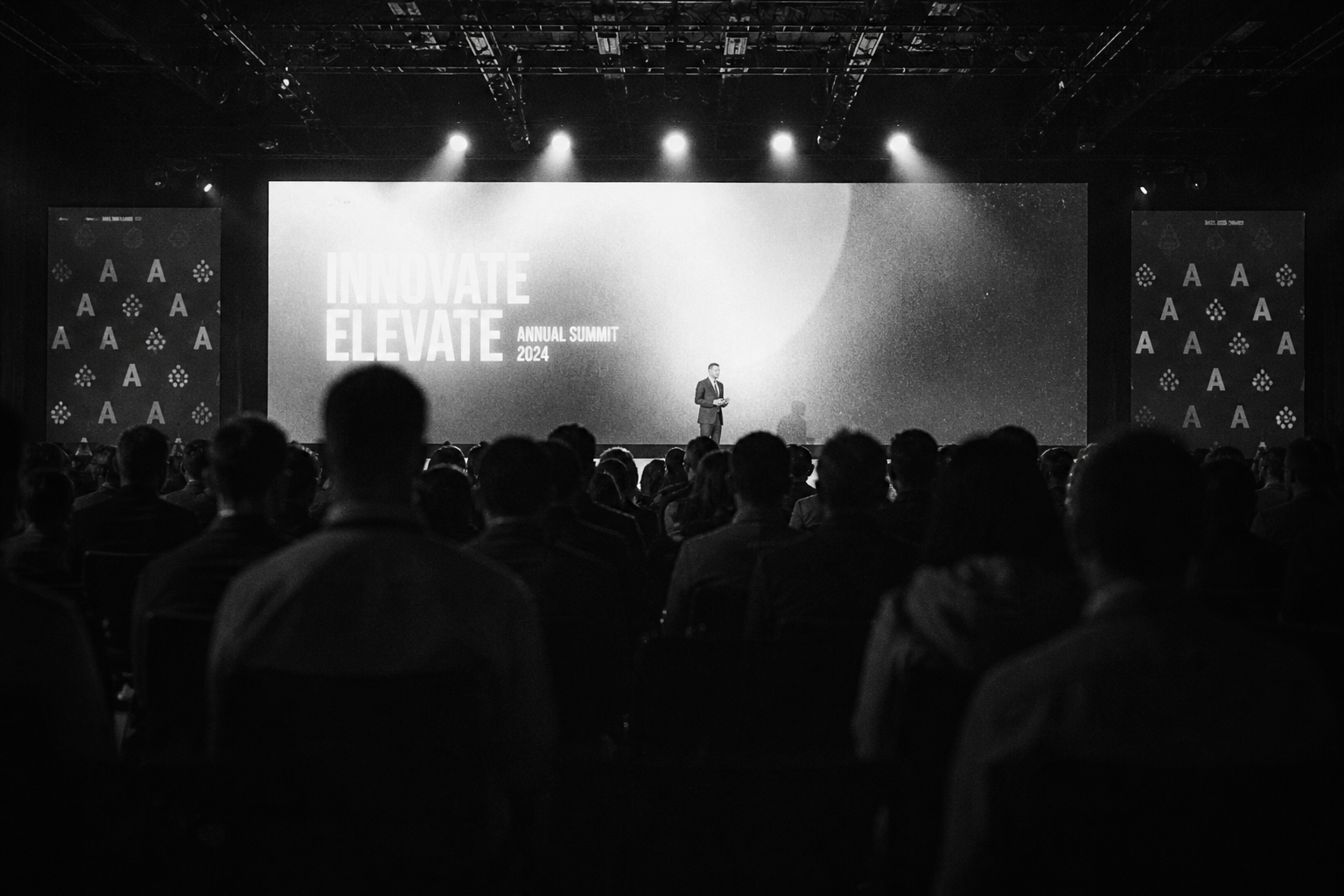
Many corporate events appear successful on the surface. They are well organised, visually polished and delivered without major issues.
However, despite the effort and investment, they often fail to leave a lasting impression.
At Best Night Ever, we regularly work with organisations that want more than a functional event. They want an experience that engages their audience and reflects the quality of their brand.
The reality is that corporate events are not failing because of a lack of effort. They are failing because they are not designed with experience in mind.
The Problem: Safe Choices Lead to Forgettable Outcomes
Corporate events are frequently designed to minimise risk.
The music is neutral, the structure is predictable and the overall tone is controlled. While this approach avoids mistakes, it also limits impact.
An event that is designed to be safe rarely creates strong engagement. It may run smoothly, but it does not create memorable moments.
Guests attend, participate at a basic level and leave without a lasting connection to the experience.
The Hidden Cost of a Forgettable Event
A corporate event represents more than a social gathering. It is an opportunity to influence perception, strengthen relationships and reinforce organisational culture.
When an event fails to engage, the cost extends beyond the immediate experience. It affects how clients perceive the brand, how teams connect internally and how effectively the organisation communicates its values.
An event that does not resonate represents a missed opportunity.
Where Corporate Events Typically Go Wrong
Entertainment Is Treated as Secondary
Entertainment is often considered a supporting element rather than a central component of the experience.
As a result, it is selected quickly and given limited strategic consideration. This approach prevents the event from developing energy and engagement.
There Is No Clear Ownership of the Experience
Corporate events often involve multiple suppliers, each responsible for a different aspect of delivery.
Without a unifying vision, these elements operate independently rather than cohesively. This creates inconsistency in the experience and disrupts the overall flow.
The Audience Is Not Properly Considered
Corporate audiences are diverse. They include different personalities, expectations and levels of engagement.
Despite this, many events are designed generically, without a clear understanding of who the audience is and how they will respond.
An effective event begins with the audience and builds the experience around them.
There Is No Energy Strategy
Many corporate events follow a simple sequence of arrival, speeches, music and conclusion.
While this structure is functional, it does not create engagement. There is no intentional progression of energy or carefully designed moments that bring the audience together.
What High-Performing Corporate Events Do Differently
They Design for Energy, Not Just Schedule
Successful events are not defined by what happens at a specific time. They are defined by how the audience feels at each stage.
This requires a shift in thinking from scheduling activities to designing emotional progression.
They Place Experience at the Centre
In high-performing events, experience is the priority. Every decision is made with the audience's engagement in mind. Logistics, catering and timelines support the experience rather than define it.
They Integrate All Elements
Sound, lighting, timing and entertainment are treated as interconnected components of a single system. This integration ensures consistency and allows the event to build momentum effectively.
They Create Defining Moments
Memorable events are built around key moments that bring the audience together.
These moments provide a focal point for engagement and create a shared experience that people remember and talk about afterwards.
The Difference Between a Standard Event and an Engineered Experience
A standard corporate event typically includes background music, static lighting and a predictable flow. Guests participate passively and engagement remains limited.
An engineered experience is structured around energy progression, immersive visuals and active audience involvement. The result is a more dynamic and memorable event.
Both approaches may involve similar resources, but the outcomes are significantly different.
The Shift from Event Planning to Experience Design
The corporate events industry is evolving.
Traditional event planning focuses on logistics, timelines and coordination. While these elements are necessary, they are not sufficient to create impact.
Experience design focuses on emotion, engagement and connection. It considers how each element contributes to the overall feeling of the event. Organisations that adopt this approach are able to create events that are not only well executed but also meaningful and memorable.
Final Thought
Corporate events should not feel like obligations. They should feel like opportunities to connect, engage and leave a lasting impression.
When designed effectively, an event becomes more than a gathering. It becomes a shared experience that reflects the strength of the brand and the value of its relationships.
If the goal is to create something that people remember, the approach must change. A successful event is not just organised. It is engineered