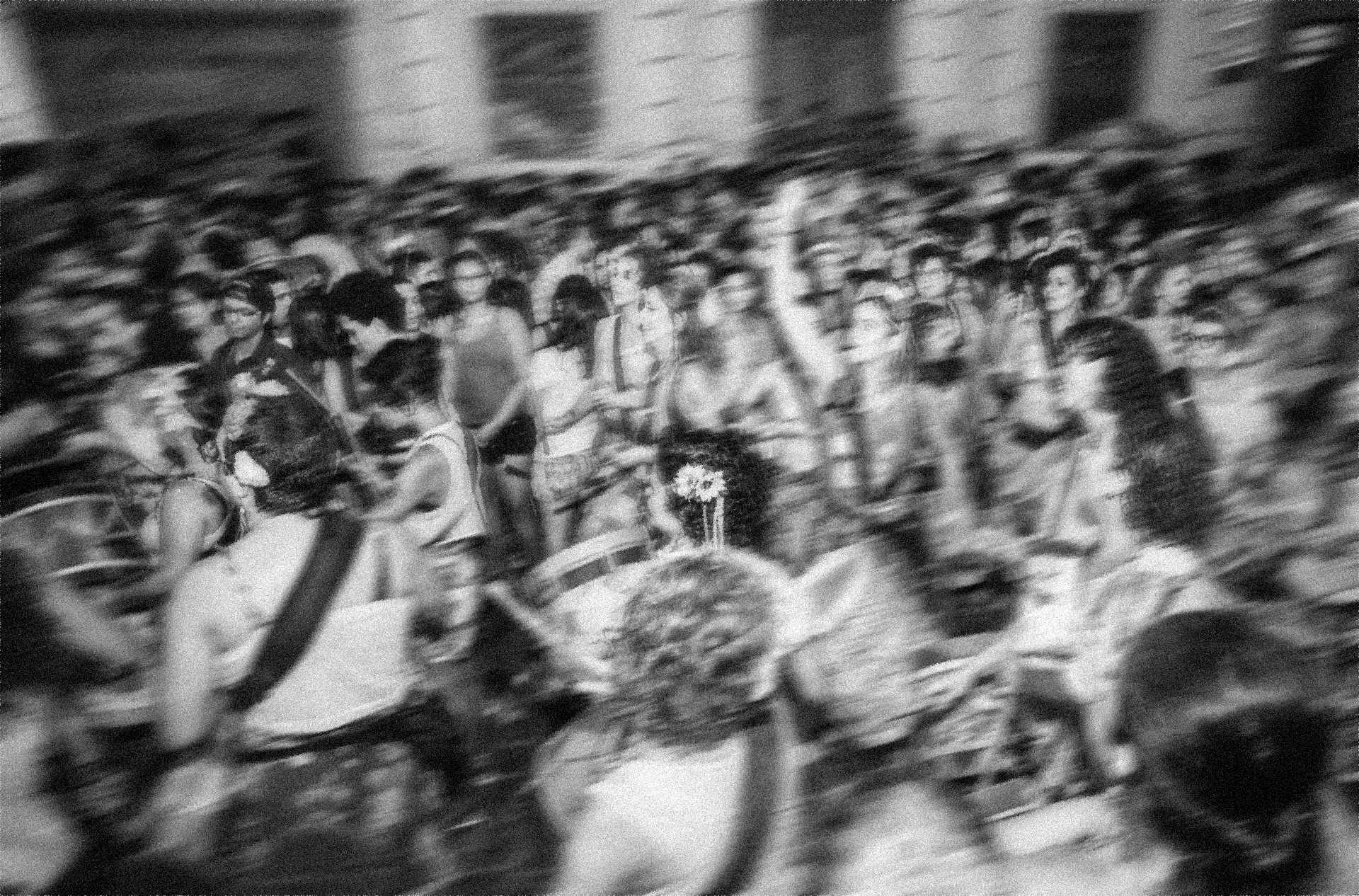
If you have ever attended an event that should have been amazing but somehow fell flat, you have already experienced the difference between a well-run event and a well-designed one.
Everything may have appeared right on the surface. The venue was impressive, the music was acceptable, and the crowd was present. However, something did not quite connect. Within a few days, the experience faded and became just another event.
At Best Night Ever, we see this pattern regularly. It comes down to a fundamental misunderstanding.
Great events are not built on individual elements. They are built on experiences.
Here is what actually makes an event unforgettable and why most events fail to achieve it.
The Biggest Misconception: Good Music Creates a Great Event
Music is important. It plays a central role in shaping the atmosphere of any event.
However, music alone does not create a memorable experience.
An event can have a technically skilled DJ, a carefully selected playlist and high-quality sound, yet still lack impact. The reason is simple. Music is only one component within a much larger system.
That system is energy.
At Best Night Ever, we do not think in terms of songs. We think in terms of energy states and how those states evolve throughout the night.
People rarely remember specific tracks. What they remember is how the room felt.
Memory Is Driven by Emotion, Not Detail
Consider the last event that truly stood out to you.
You are unlikely to recall every song or the exact schedule of the night. What you will remember is the moment when the room came alive, when people became engaged, and when the atmosphere shifted in a way that felt collective and powerful.
These moments are not accidental. They are the result of intentional emotional design.
Unforgettable events are structured around emotional peaks, contrast between high and low energy, and shared experiences that bring people together in the same moment.
Without these elements, an event simply becomes background noise.
The Five Elements That Define an Unforgettable Event
1. Energy Flow
One of the most common reasons events fails is the absence of progression. The energy remains flat throughout the night, with no sense of build or release.
An effective event follows a natural flow. It begins with anticipation, builds into engagement, reaches a peak where connection is strongest, and then releases in a way that leaves a lasting impression.
Without this structure, the energy never fully develops. With it, the experience becomes dynamic and engaging.
2. Crowd Psychology
Many entertainers focus on performing to the audience rather than interacting with the audience.
At Best Night Ever, the audience is not passive. It is an active part of the experience. We observe movement, engagement levels and subtle shifts in energy throughout the room. These observations guide real-time decisions that shape the direction of the event.
When the crowd is understood and responded to, the experience becomes immersive. When it is ignored, the result is often disconnection.
3. Lighting and Visual Atmosphere
The visual environment of a space influences how people feel before any music begins. Lighting is not simply decorative. It plays a critical role in setting tone, building anticipation and reinforcing key moments throughout the night. When lighting is aligned with the energy of the event, it enhances the overall experience. When it is treated as an afterthought, it creates a disconnect between what people see and what they feel.
4. Timing and Pacing
Poor timing can undermine even the most well-planned event.
If key moments occur too early, the audience is not ready to engage. If they occur too late, energy has already declined. If segments run too long, fatigue sets in and momentum is lost.
Effective pacing requires careful coordination of transitions, builds and pauses. Each element must occur at the right time to maintain engagement and support the overall flow of the experience.
5. The Inception Moment
Every truly memorable event has a defining moment when the atmosphere changes. This is the point at which the audience shifts from observing to participating. The energy becomes collective and the room feels unified. At Best Night Ever, we refer to this as the Inception Moment. It is the turning point that transforms an event from something people attend into something they experience.
What Happens When These Elements Are Missing
When these elements are not present or not aligned, the outcome is predictable. The dancefloor struggles to fill. Guests remain on the edges of the room rather than engaging fully. The energy never reaches a meaningful peak, and the overall experience feels acceptable but not memorable.
An event that is merely acceptable is quickly forgotten.
What Actually Makes an Event Unforgettable
An unforgettable event is not the result of a single feature or standout moment. It is the result of multiple elements working together with intention. Music, lighting, timing, energy and audience interaction must be coordinated to create a cohesive experience.
When these elements are designed and executed properly, the result is not just entertainment. It is a shared moment that people remember long after the event has ended.
Final Thought
Most events are planned around logistics and individual components.
The most successful events are designed around experience.
People do not remember what was played or how the schedule was structured. They remember how the event made them feel.
Fine is the enemy of memorable.
If the goal is to create something memorable, the focus must shift from assembling elements to engineering unforgettable experiences.
At BNE, we know how…